
Our bodies need vitamins to maintain proper levels of functioning. Most of us are familiar with these organic compounds. Some of the more common vitamins are C, which we get from citrus, D, which we get from things like milk and cheese and A which we get from liver as well as dark green, yellow and orange fruits and vegetables. Vitamins are essential for good health yet our bodies do not make them in sufficient quantities. That means we have to rely on two main sources – food and supplements – to meet the need.
What are vitamins?

Unfortunately, our bodies cannot produce adequate amounts of the vitamins we need so we must rely on food and supplements to ward off the dangers of vitamin deficiency. Vitamins are either fat-soluble – that is stored in the fat tissues of our bodies or water-soluble. Water soluble vitamins don’t stay in the body long; they pass through in our urine.
What are supplements?
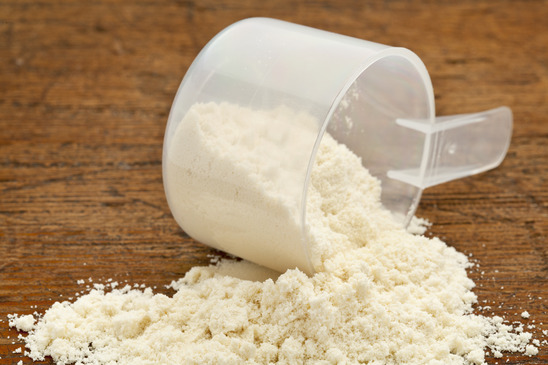
Examples of supplements include your daily multi-vitamin or St. John’s Wort. These manufactured nutrients and herbs work with our bodies to support optimal functioning. They may also help to boost energy and ward off the problems of deficiency. Before you consider taking any supplement be sure to talk with your healthcare professional. If you are currently taking supplements be sure to discuss this during your next visit so that amounts and potential interactions can be monitored. Some supplements may interfere with prescription medication. Finally, choose the most reputable manufacturer and quality products you can find. Supplements are often not regulated and what you see on the label may not necessarily be what you actually find in the bottle.