
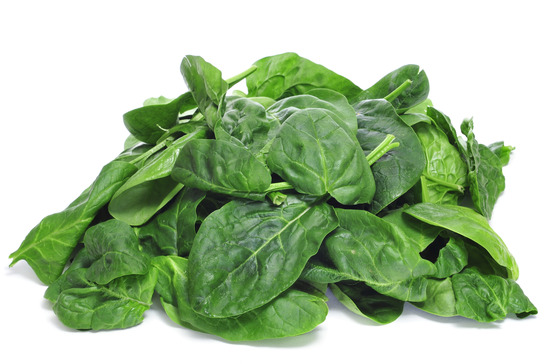
Spinach Packs a Nutritional Punch
Spinach is a rich source of vitamins K, A and C. Vitamin K is important for maintaining bone health; vitamin A boosts vision and the immune system and vitamin C helps heal wounds and maintain strong bones and teeth. Spinach also contains folic acid, manganese, zinc, magnesium, calcium and iron. In fact, there are few foods that offer a more powerful combination of vitamins and minerals. A cup of raw spinach has less than 10 calories and is low in saturated fat and cholesterol. Nutrient dense and tasty, too spinach also offers protection against certain types of cancers and cardiovascular problems.
Spinach Fights Inflammation
Inflammation is triggered by injury, illness and oxidative stress. Over time chronic, low level inflammation can lead to life threatening health challenges like cancer, Alzheimer’s disease and stroke. Flavonoids and carotenoids contained in spinach support health by reducing inflammation. Including spinach in your diet on a regular basis may mean a longer, healthier life.
Put Spinach on the Table
Serve spinach with eggs, beans, pasta or sautéed with fresh garlic and olive oil. Put a few fresh leaves on your sandwich or in a bowl of soup. The vegetable is very versatile, so don’t be afraid to experiment. If you cook spinach be aware that it has a very high water content. Any amount you put in the pan will be reduced by half. Despite their size, the ready to eat bags of spinach in your grocer’s produce section only contain about two servings.
No matter how you eat it spinach, maybe even more than milk, does your body good. For building strong bones, reducing cancer risk and even helping you maintain your waist line spinach is a giant among greens.