
Do you remember instilling the information of the food pyramid into your brain during elementary school? Back then, nutrition felt like a scientific formula: if you eat equal servings of dairy and meat, and equal servings of fruit and vegetables (plus even more of a helping from the bread/whole grains group), you’ll live a healthy life. Today, the pyramid has changed—simply because, what we know about these food groups have changed. In this article, we’ll discuss just how much they have changed, and what makes for a healthy, well rounded, and vital body and mind.
The Old (At a Glance)
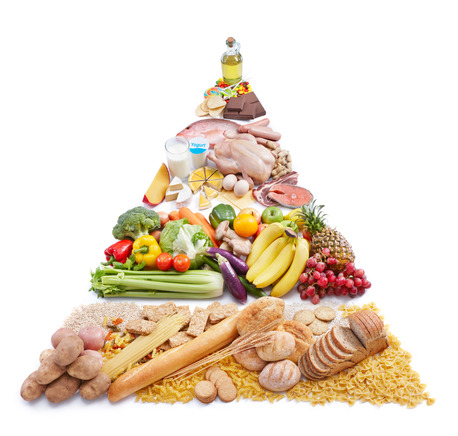
Oh, how times have changed!
It seems everywhere you look, health food experts are weighing in on the benefits of less grains and gluten, and how consuming a high protein diet is one of the best way to lose weight and increase energy. Too much dairy has become a problem for many people’s digestion track, and too much consumption of simple carbs (found in pasta, rice and processed cereals) have contributed to the obesity epidemic, while healthy oils like olive oil is one of simplest and healthiest ways to cook your meats, stir-fry’s and baked fish dishes.
The New Food Pyramid
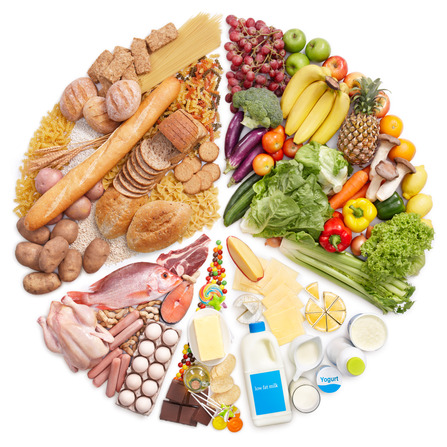
Whereas whole milk used to be the only option when the old food pyramid was created, the choices of milk today seem as varied as types of greens to eat. From low-fat milk to almond milk (for those who don’t want or can’t have any dairy in their life), one cup per day is the most common recommendation for most people. Protein is another food group that has changed, and more foods are included in their category including: eggs, soy products, and an emphasis of lean protein (as opposed to fatty cuts of meat that were on the old pyramid).
It’s easier than ever to eat well with the new MyPlate.com updated nutritional plan. Make sure you know what to put on your plate with information about each food group, interactive quizzes and tips (to make sure you and your family stays on track!)